Policy input urges the EU to confront gendered transnational repression across borders.
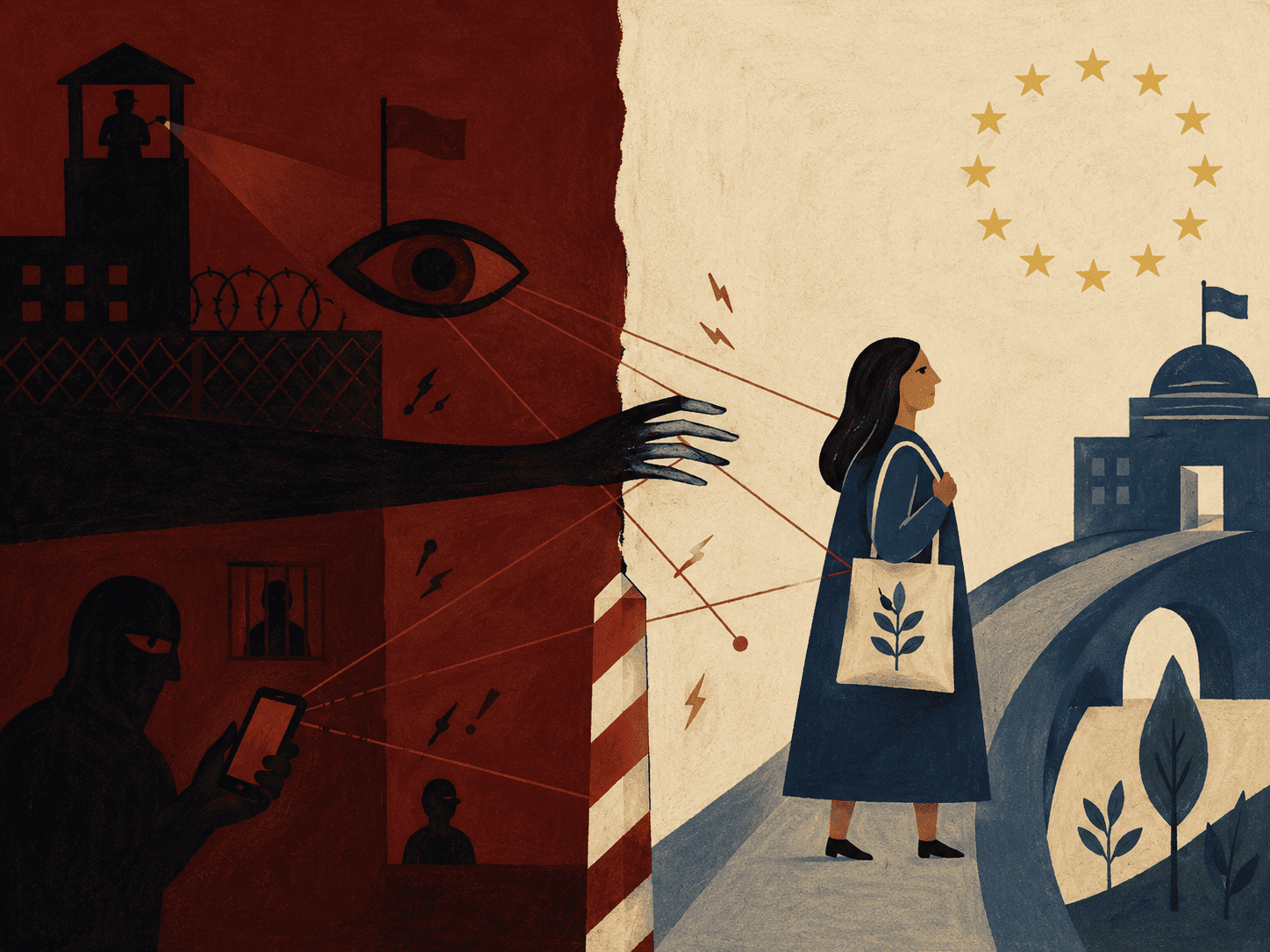
Our House Centre for Human Rights and Relief has prepared a new Policy Input for the development of the EU Gender Action Plan IV (GAP IV) 2028–2034, bringing into the European policy debate an issue that remains too often overlooked: authoritarian repression does not necessarily stop when a woman crosses an EU border.
Through our cooperation with the team and network of PeaceWomen Across the Globe / FriedensFrauen Weltweit, Our House has been able to join the civil-society advocacy process around the development of GAP IV. We are deeply grateful to PeaceWomen Across the Globe for opening this advocacy space to us and helping bring the perspectives and expertise of women human rights defenders, peacebuilders and activists from Belarus and in exile into a European-level discussion.
On 17 September 2026, Our House will participate in the regional online session of the Structured Dialogue “Gender Equality in EU External Action: From GAP III to GAP IV.” The dialogue is convened by the European Commission — DG INTPA, DG ENEST and DG MENA — and the European External Action Service (EEAS), in collaboration with the Policy Forum on Development (PFD).
The consultation is part of the process that will shape the European Union’s approach to gender equality in its external action for the years 2028–2034.
Crossing an EU border does not end repression
As its contribution to this process, Our House has independently prepared the Policy Input “Gendered Transnational Repression, Women in Exile and Women, Peace and Security.”
It draws on years of our work with women human rights defenders, peace activists and people forced into exile, and translates that experience into concrete recommendations for future EU policy.
Our starting point is straightforward: crossing an EU border does not end authoritarian repression.
Women who have been forced to leave Belarus or other authoritarian countries do not suddenly cease to be human rights defenders, peacebuilders, journalists, activists or civic leaders. Nor do the regimes that forced them into exile necessarily stop targeting them.
Pressure can continue across borders through digital surveillance and harassment, threats, attacks on relatives, disinformation and reputational campaigns, documentation problems, and the exploitation of legal, administrative, financial or digital vulnerabilities in the countries where activists have sought safety.
This means that protection cannot be understood simply as reaching the territory of a democratic country. European gender equality and Women, Peace and Security policies need to recognise the cross-border nature of contemporary authoritarian repression.
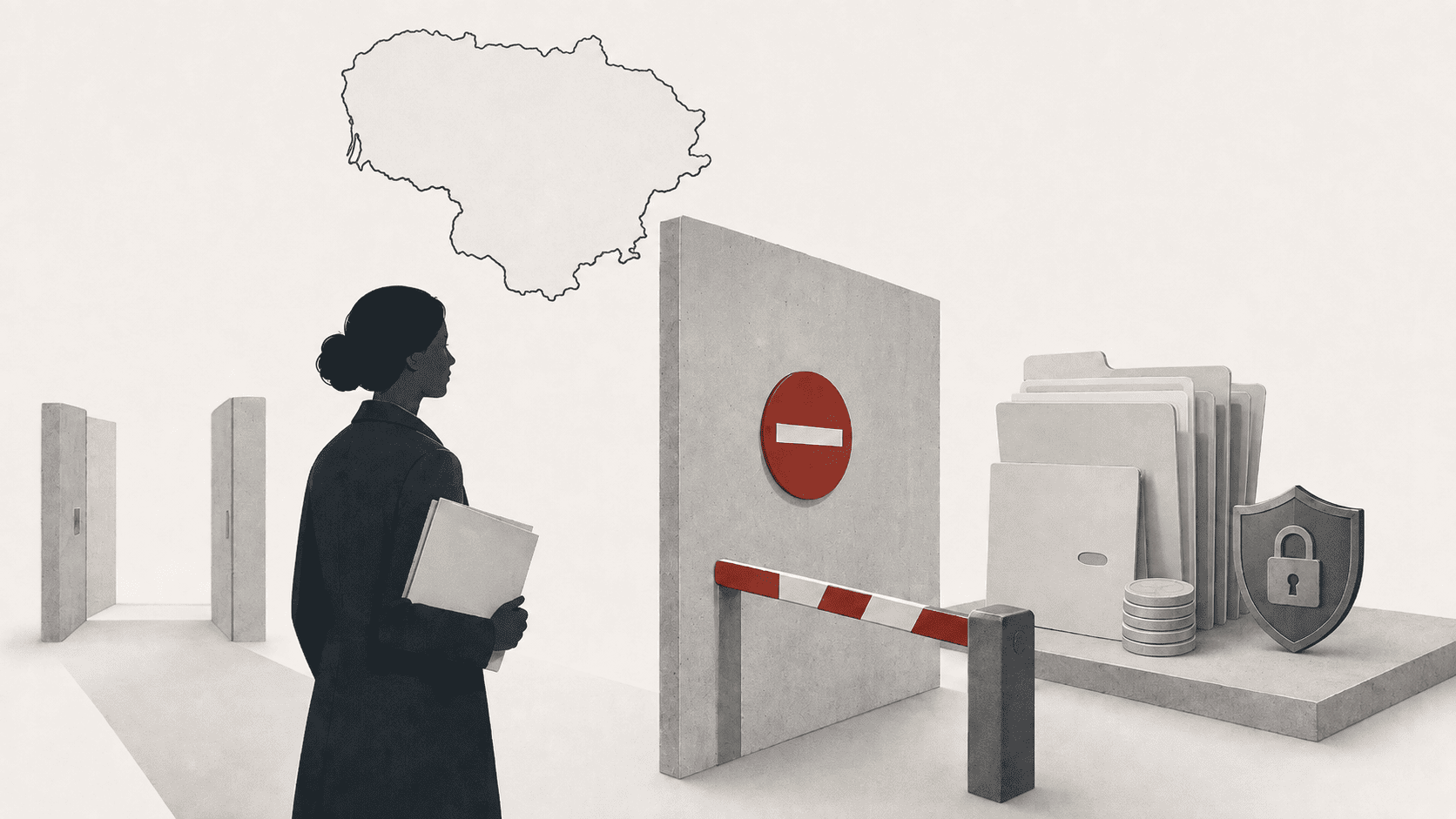
When “local civil society” is forced into exile
There is another question that we believe the European Union needs to confront:
What does “local civil society” mean when an authoritarian regime has physically forced independent civil society out of the country?
For Belarus, this is not an abstract question.
Organisations may operate from Vilnius, Warsaw or elsewhere in Europe while continuing to work for Belarus, maintaining their constituencies, expertise, networks and accountability to the communities they represent.
Forced geographical displacement should not automatically become political or institutional exclusion.
If authoritarian governments can remove independent organisations from European consultation processes simply by forcing them into exile, repression achieves a second victory: first it pushes civil society out of the country, and then displacement itself becomes a reason to exclude that civil society from discussions about the country’s future.
GAP IV should not reproduce that logic.
Four changes Our House is asking the EU to make
Our Policy Input proposes four concrete priorities for GAP IV.
First, the EU should explicitly recognise women human rights defenders and activists in exile as a distinct protection and participation group. Women in exile should not be viewed exclusively through migration or humanitarian categories. They remain political and civic actors.
Second, the EU should integrate gendered transnational repression into its gender equality and Women, Peace and Security policies. Digital harassment, surveillance, threats against relatives, disinformation, documentation coercion and legal or administrative pressure should be understood as interconnected forms of repression rather than isolated incidents.
Third, the EU should provide accessible, flexible and long-term support to grassroots, feminist, women-led and exile-led organisations. Short project cycles alone cannot sustain organisations that simultaneously have to protect people, retain expertise and continue advocacy under conditions of repression and displacement.
And fourth, the EU should systematically include credible exile civil society in country-level consultations and policy instruments when independent actors can no longer operate safely and freely inside their country.
Bringing experience into the rooms where policy is shaped
For Our House, participation in this process is about more than attending another European consultation.
It is an opportunity to bring the experience accumulated through years of human rights, peace and exile work into a process that will influence European policy until 2034 — and to argue that the people directly confronting authoritarian repression should have a voice in designing the policies intended to respond to it.
We are particularly grateful to PeaceWomen Across the Globe / FriedensFrauen Weltweit for enabling our participation in this advocacy space.
For organisations working from exile, access to such networks matters enormously. They create a bridge between experience on the ground and the institutions where European policy is actually shaped.
Our House is proud to contribute its expertise to this discussion and grateful to the partners and networks that make such participation possible.
The full Our House Policy Input for the EU Gender Action Plan IV (GAP IV) 2028–2034 and more information about our contribution are available here:
Our House Centre for Human Rights and Relief
Lithuania & Belarus